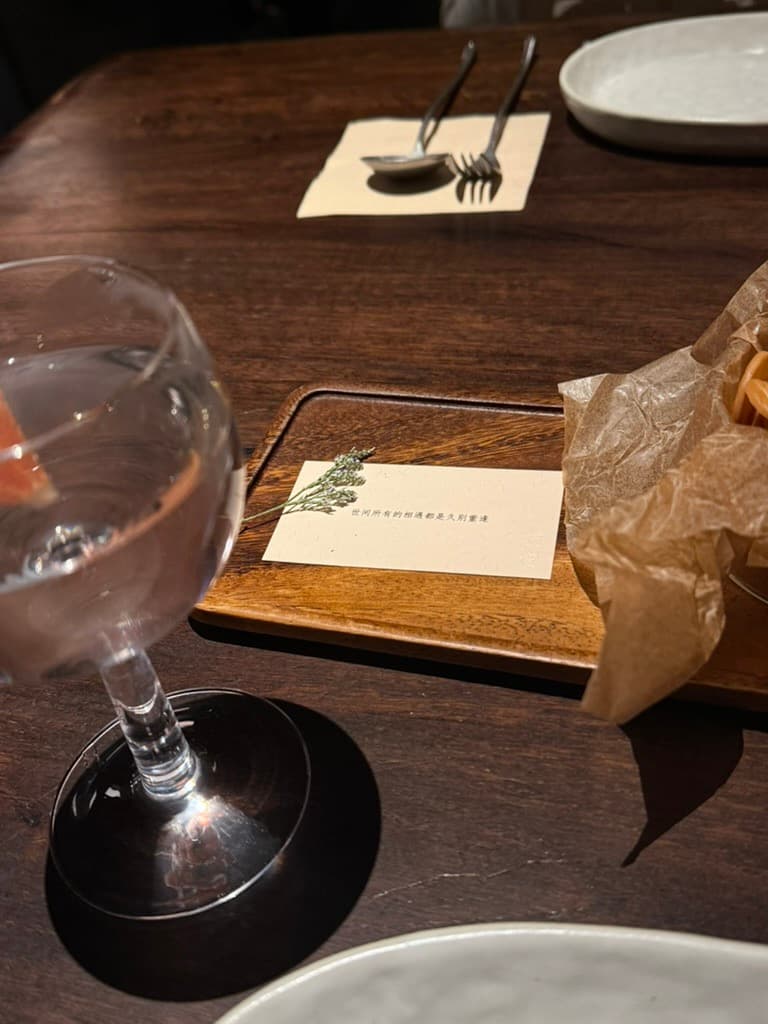
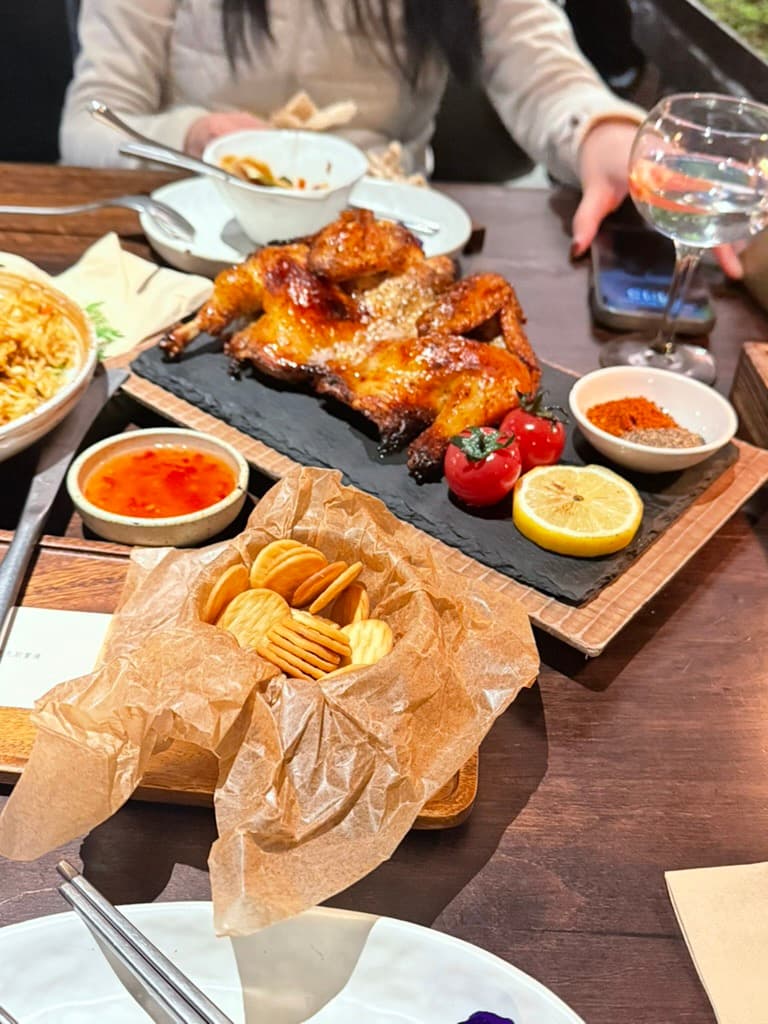
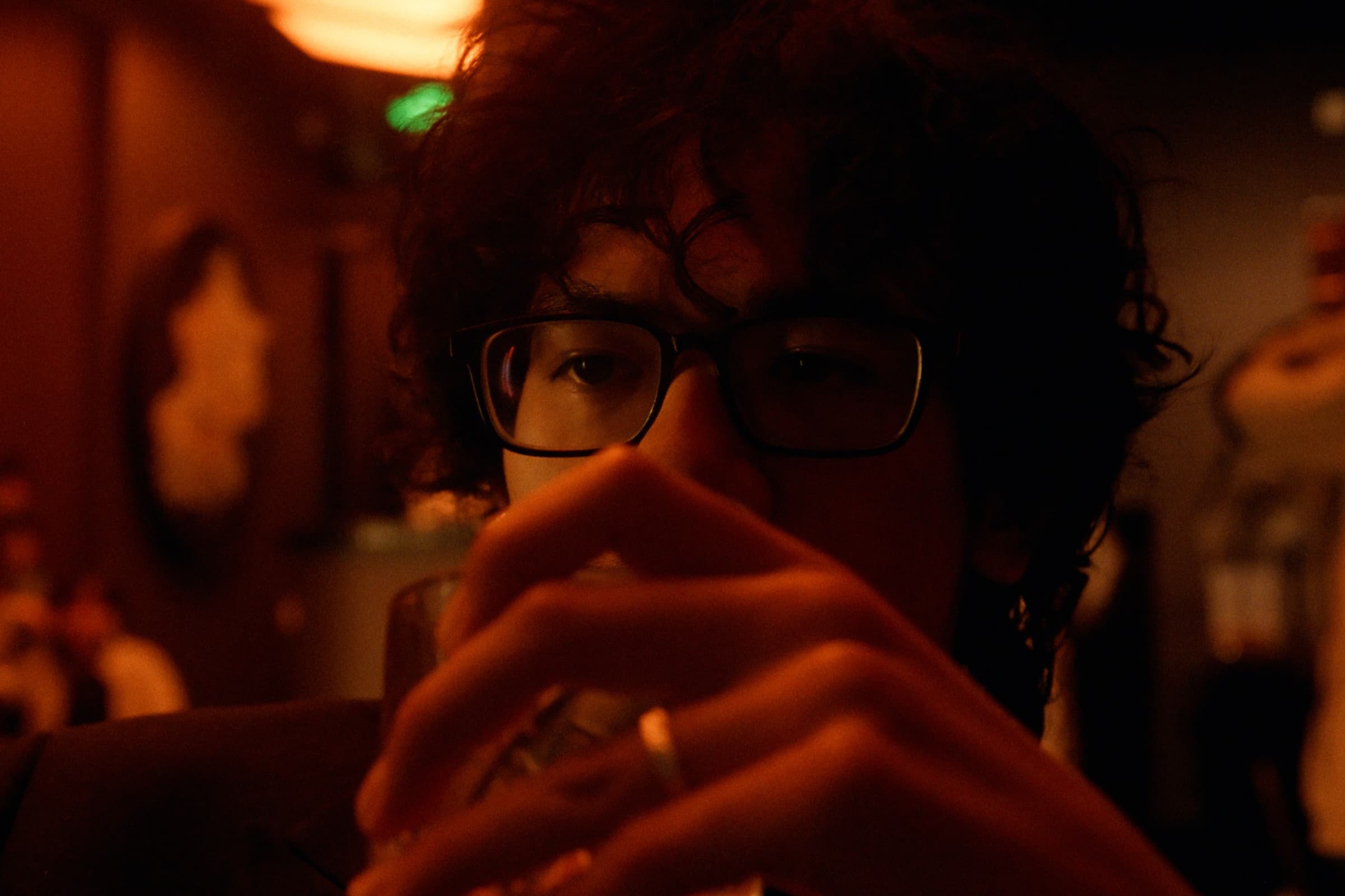
On my last night in Wenzhou, I went out for dinner with someone I'd only just met that day. On the table was a small card with a Chinese phrase: 世间所有的相遇都是久别重逢. She translated it for me — people who meet will meet again. I was leaving the next morning, so the words carried a weight they might not have otherwise. A few days later in Beijing, on my last day in China, I told her through WeChat that I was sad about going home. She repeated the phrase.
My positive experience from China hasn't left me. It has been extended — because I made a connection with someone I still speak to, someone whose perspective continues to shape how I think about culture, art, and the ways people find each other across difference.
The Blend
What fascinates me most is the multicultural blend — the way culture has always been crossing borders, borrowing, fusing, and arriving somewhere new. This isn't abstract to me. I see it in the art I love.
My favorite film is Wong Kar-wai's In the Mood for Love. I've always told people about one detail in particular: there's a song in it by Nat King Cole called "Quizas, Quizas, Quizas" — originally a Cuban bolero from the 1940s. An American singer performing a Spanish-language song in a Chinese film set in 1960s Hong Kong. That single choice contains the entire idea. Culture doesn't stay where it starts. It moves, it translates, it finds new context — and in doing so, it connects people who otherwise might never have met.
That kind of blend is everywhere once you start looking for it. The Departed, one of the most celebrated American crime films of its era, is a remake of Infernal Affairs, a Hong Kong film heavily rooted in Buddhist ideology and themes of cyclical suffering. Through conversations that came out of this trip, I was introduced to Jay Chou, the king of Mandopop, an artist I was unfortunately unfamiliar with growing up in the States. He has a song called "Mojito" that draws directly from Cuban instrumentation and culture. Mandopop meets Havana. The pattern keeps repeating.
The restaurant itself leaned into it. Dim light, dark plaster walls, candles on the tables, dried sprigs set into concrete vases — a wabi-sabi bistro, a Japanese aesthetic whose roots happen to run back through Chinese Chan Buddhism. A Chinese restaurant dressed in a Japanese style built on Chinese philosophy. Nobody in the room was trying to make a point of it; it was just the atmosphere.
The Intention
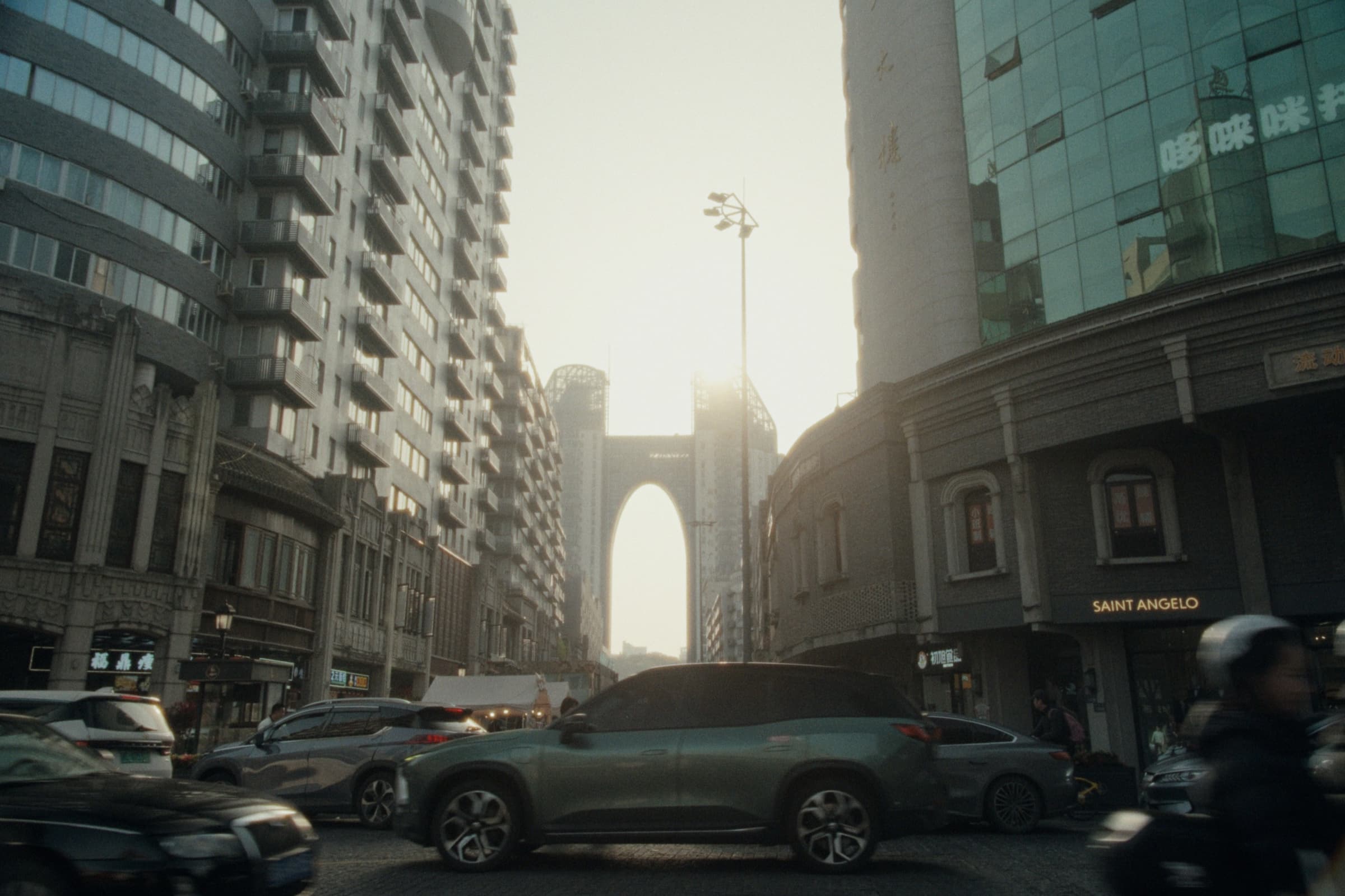
These aren't just references I've collected. They come from real conversations — from sitting across from someone and exchanging the means by which we see the world: perspectives, faith, routines, the small details of how we each move through a day. On a grander scale, this trip was a group of people immersed in another society. On a more intimate scale, it was two individuals sharing the differences between their lives and finding that, despite those differences, so much felt the same.
That's what makes any connection powerful: the intention behind it. Whether it's two individuals, a group, or two entire societies — if the intention is to understand and to unify, it transcends language barriers, cultural differences, and everything else.
The Connection Continues
I think I have a somewhat unique vantage point on this because I've always indulged in foreign cinema, listened to music from other cultures, and paid attention to the way art crosses boundaries. Through the arts, these connections reveal themselves — the Cuban bolero in the Hong Kong film, the Buddhist philosophy underneath the Boston crime drama, the Mandopop song with a Havana soul. These aren't coincidences. They're evidence of something that has always been true: people want to reach each other.
For many on the trip, China was eye-opening. I came in with an open mind already. What I didn't expect was to have my heart opened.
The connection I made in Wenzhou hasn't faded. We still talk — she's recommended films like Comrades: Almost a Love Story, introduced me to new music, shared Buddhist philosophy across the Pacific. Every conversation extends the experience past the trip that contained it. The bond didn't end when the plane took off. It changed form — and through it, I still carry everything I felt in China.
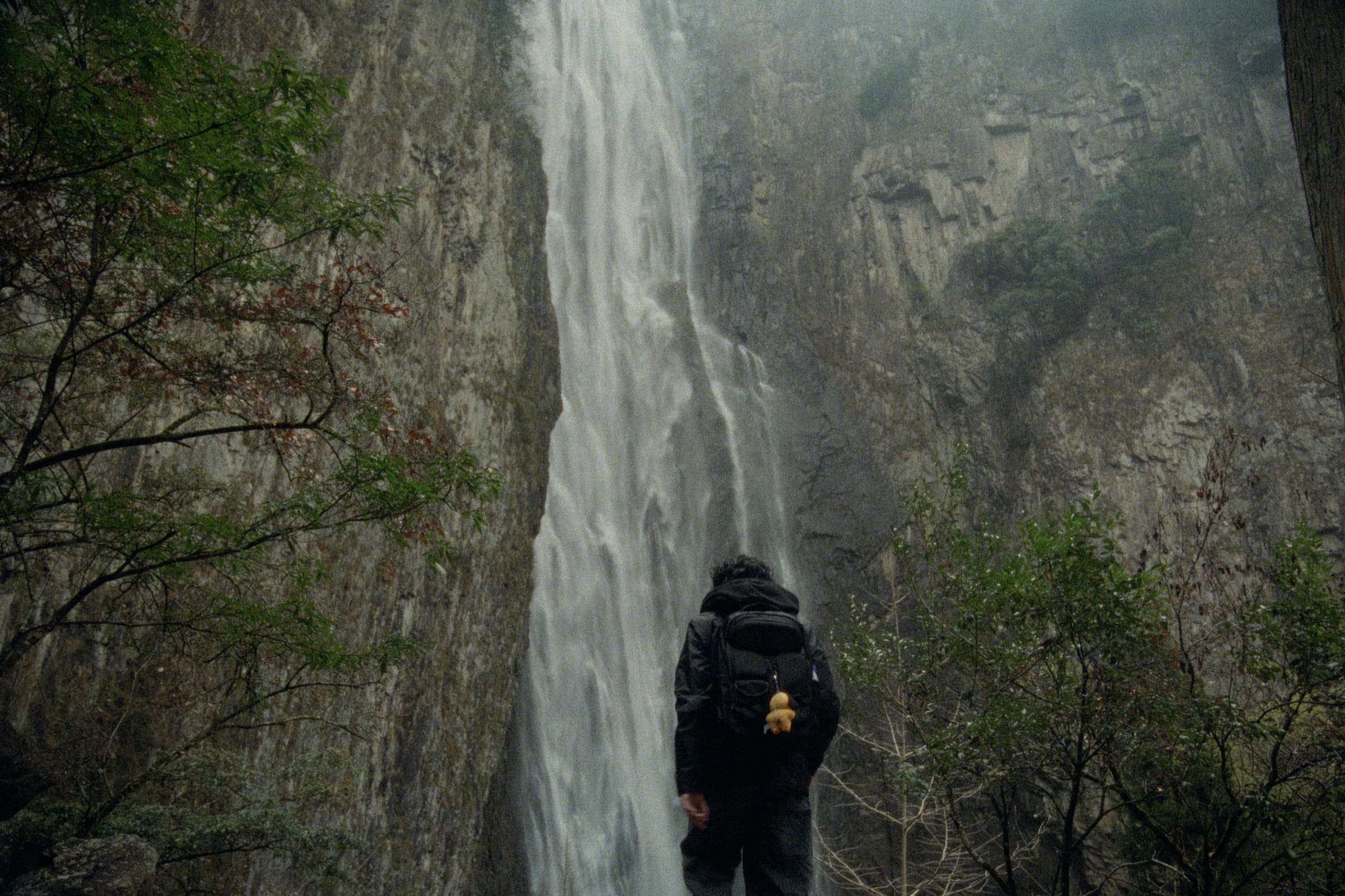
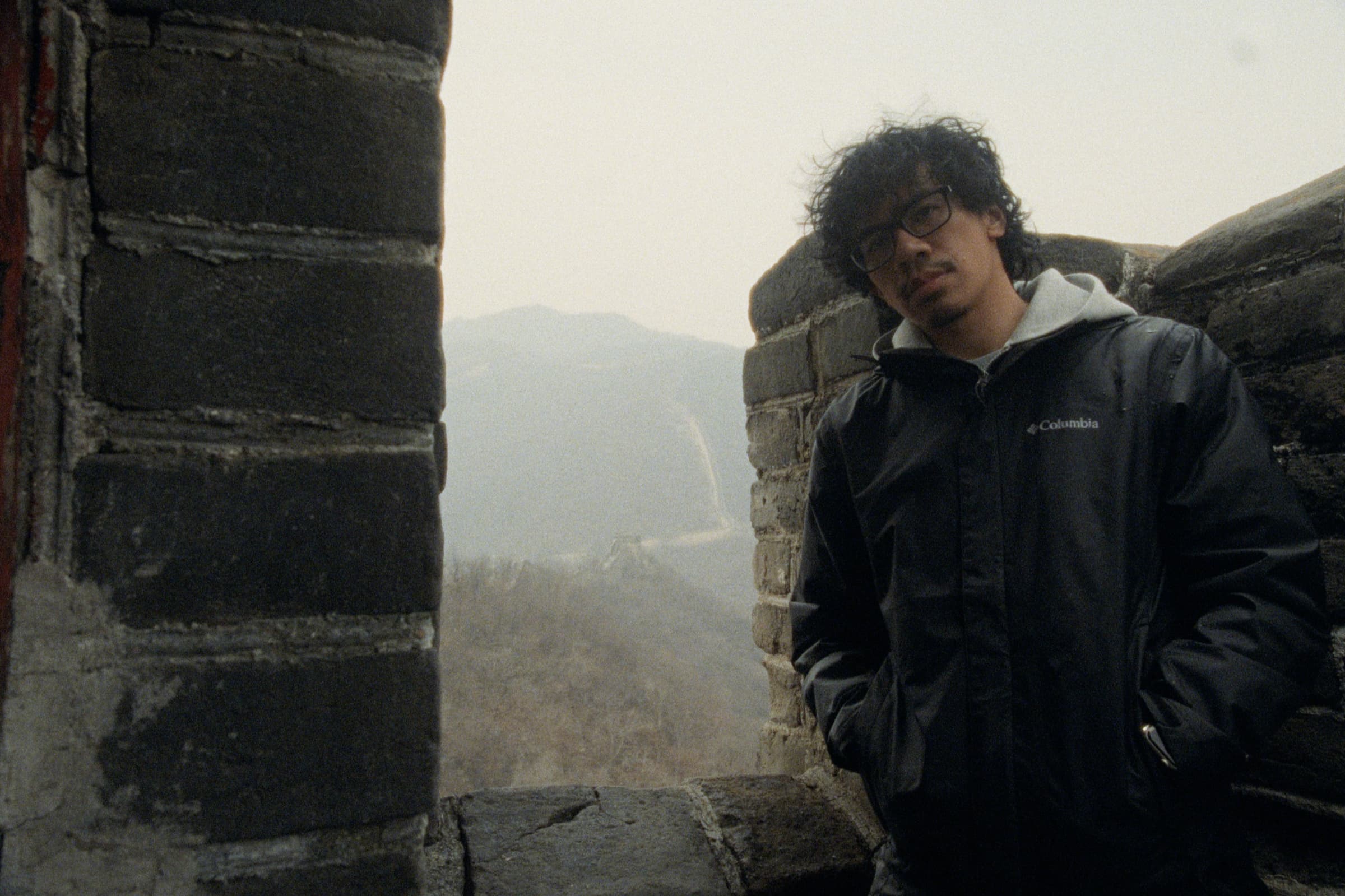
The places I visited in China were extraordinary — but they're moments in a long life. The Great Wall, Wuma Street, the waterfall at Baizhangji — they pass. What anchors you to them is how you reflect on them, the sentimental value you place in their memory, the art you make to hold onto their essence, and the connections that bring you back. That's why I made the film. And that's why the phrase on that card still holds — people who meet will meet again.