
New York Minute is a four-track EP by Andura, released October 27, 2025. It runs eleven minutes. The cover is a photo Andrew took under the four-faced clock at Grand Central Terminal, where a first date took place, and the EP came out on that date's anniversary. Grand Central is also where his memoir, By the Long Island Sound, begins. A year after its release, Andrew talked about how it came together. The conversation has been edited for length and clarity.
How did New York Minute start?
It was my first project since Might As Well've Been You, which I released unexpectedly, and in a cathartic way. For the rest of the year I was managing my emotions and was in a really reflective space.
Eventually I had these songs, and I really wanted to release something on the anniversary of a first date I had with this person, since these songs, and some of the songs on the last album, were about that relationship.
I was going through what's called the anniversary effect. It was becoming that time again, and the seasons were changing. All these familiar feelings, the cold, brisk air and the smell of falling leaves, brought me back, and I tried to avoid it. I was in Florida for the entire month. But I wanted to release something on that date for its sentimental value.
What did releasing it on that day do for you?
I'm not sure. When I make music, I have things I want to say that otherwise I can't say, to the person specifically or in general. Writing songs is just my natural way of expressing myself.
Which song came first?
The prelude is a legit prelude. I wrote it before the relationship even started, I think in October 2024, so it just felt right.
I'm big on getting the whole picture. It felt like doing an injustice to only talk about the aftermath of the situation when I had this simple but lovely little ballad. Even for versatility's sake, I wanted a love song that was optimistic. The last one I wrote was "Azul." Chronologically, with how I was feeling, it fits too.
What was it like writing "Lesly's Prelude"?
At the time I was so used to writing songs about someone doing me wrong and someone hurting my feelings. Then I finally had this experience where I felt so content and appreciative, and I wanted to capture it as soon as possible.

New York Minute · 2:04
What is "Azul" about?
It's about the reluctance of putting myself out there again. The last two heartbreaks I had were a one-two punch, and there's a point where you just don't bounce back to who you were before. Your aspirations change. Your expectations change. You become jaded, and that's all in the essence of learning a lesson, right? Something bad happened to you. Not going to do that again. Move on and keep it pushing. When you have these "failures," it gets to a fundamental level where some things need to change.
"Azul" and "Heat of the Moment" are both about this, in different ways. In "Azul" I'm taking a somewhat optimistic look at it:
If I gave my heart to bear
Will you see the wear and the tear, my dear?
With you, it'll disappear
And "Cause love for me's been pushing up a rock up a hill." I love that line. It's a Sisyphus reference.
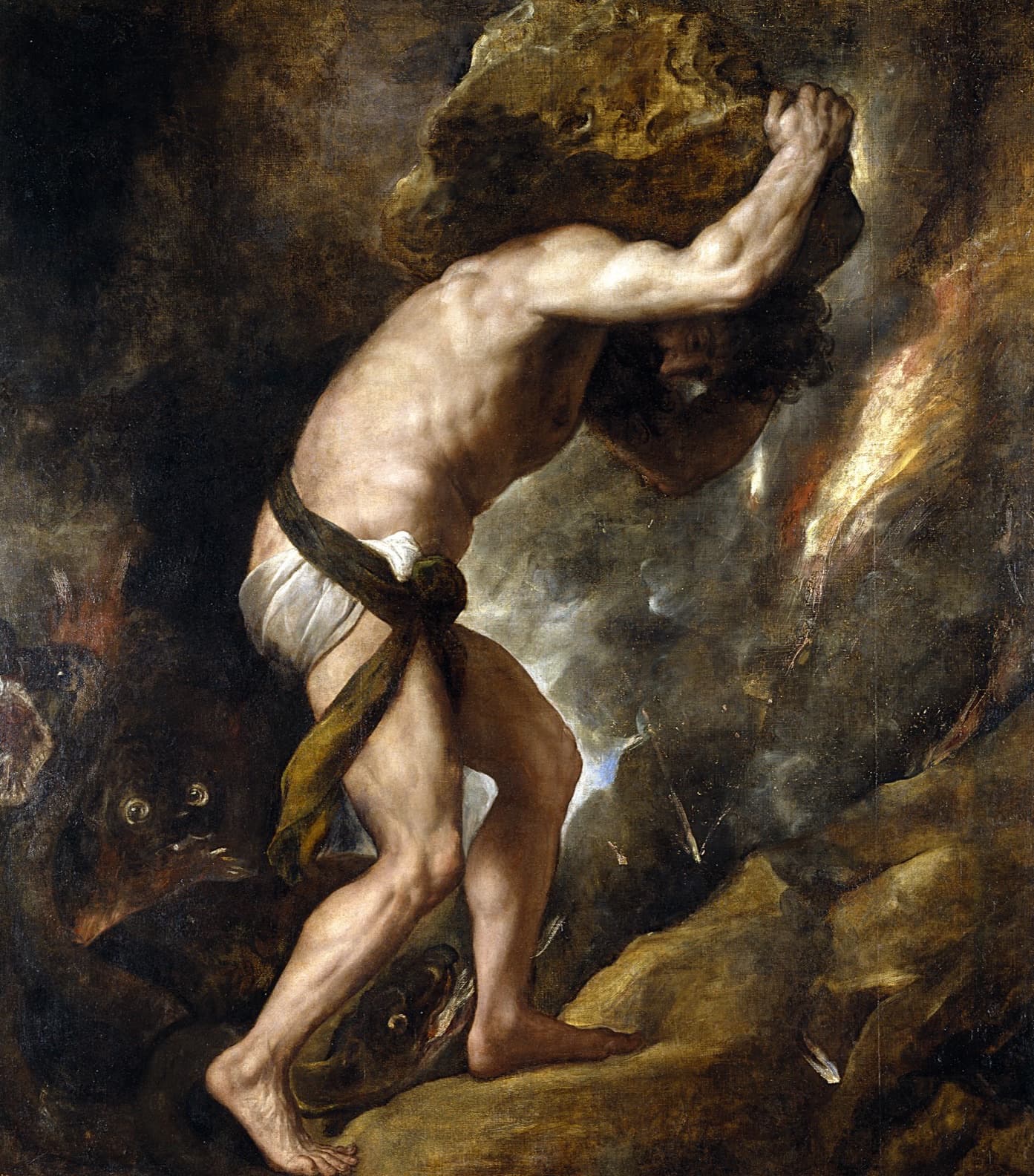
The song is about whether I have it in me to give it a shot again, and at the end it's, yeah, let's do it:
Wine on me baby, ya
Corkscrew me baby, ya
Pour up a glass of you
Drink 'til the sky turns blue, oh no
'Til the sky turns blue
'Til the sky's azul
I say both blue and azul in the song. It's kind of surrendering to it.
New York Minute · 2:18
How is "Heat of the Moment" different?
It's less about surrendering and looking for love, and more about allowing myself to enjoy life in a more casual way. Not having expectations of this cinematic romance I aspire to. It's like, maybe it's the heat of the moment, and if so:
It's been too long since I've seen it in motion
I'm not asking for more
New York Minute · 3:55
The first chapter of your memoir, By the Long Island Sound, has the two of them meeting at Grand Central instead of Penn Station because they want "the romance of it more than the convenience." Is that the romance you mean?
Yes. The cover art is literally the photo I took at that moment, at Grand Central. And the opal clock fits the idea of a New York minute, which makes sense too, since it's a short EP and the relationship came and went like a New York minute.
Alongside him stands the four-faced opal clock. Its brass exoskeleton blooms as if it were sentient, watching over the travels of many. It looks back at him, showing its hands, a reminder that she'll be here soon.
The EP closes with "How Long Til You Go." Where does that one fit?
That was kind of a fun tack-on. I wrote it maybe in 2023, and it had nothing to do with the actual situation itself. The concept of the song applied. I don't want to make it seem like more than it actually was.
New York Minute · 2:42
How did you make it?
All at home, all in my room. A lot of times I'll put together some Splice samples, because I'm just trying to get the songwriting idea out of my head, and then I'll embellish it with my own production. That's my preferred workflow: I can get an idea out quickly, record it, and keep building from there. It's even easier for me than journaling.
How does this EP compare with Might As Well've Been You and Have Fun Be Safe?
"Azul" and "Heat of the Moment" are some of the first songs where I step back into a really retrospective, introspective space. On Might As Well've Been You and Have Fun Be Safe, I'm directly addressing situations with a specific person. When I listen to "Azul," it's out of body. It's not about this girl or that girl, and it's not even about me specifically. It feels like rock bottom, and the yearning isn't for a person anymore.
It's a yearning for the values and virtues I've lost, after expressing them freely and getting burned for it: for loving someone who doesn't love me, for putting my guard down, for thinking that being myself was somehow a detriment to a relationship. It's so interpersonal that a lot of people don't understand, especially if they don't think that deeply about things. Often I feel crazy for caring so much. But I don't think it's idealization, and I don't think it's limerence. I believe in it because I just believed it.
A year later, how do the songs feel to you?
Healing's not linear. You think time passes and you'll stop caring, but sometimes you really want to know why. What went wrong? What could I have done better?
It was never my aspiration to be famous off of music, or even successful. At the most, I just want people to appreciate my songwriting, my creative catharsis. But I would give that up to experience that again, and to keep it. Being in love gives me the most superpowers, and I'm always going to mourn it for different reasons: whether I'm missing the person or missing myself, missing the idea of the person or missing the idea of me.
10 Years of Andura
Andrew is still writing By the Long Island Sound, the memoir that opens under the same clock. This interview is part of 10 Years of Andura, which marks a decade since the first Andura release, "Talk To Me," in January 2017.